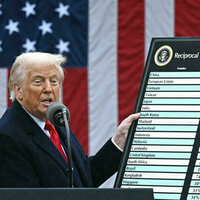


US President Donald Trump's higher tariffs on steel and aluminium came into effect Wednesday, rising from 25 to 50 percent. The European Union has said it "strongly regrets" the decision to raise metal tariffs and stressed that the bloc was ready to retaliate.
The United Statesdoubled steel and aluminium tariffsWednesday, casting a pall on a gathering ofOECDministers as PresidentDonald Trump's intensifyingtrade warweighs on theworld economy.
Trump's sweepingtariffson allies and adversaries alike including levies on importedsteeland autos have strained US ties with trading partners and sparked a flurry of negotiations to avoid the duties.
About a quarter of all steel used in the US is imported, and Census Bureau data shows the increased levies will hit the closest US trading partners Canada and Mexico especially hard. They rank No. 1 and 3, respectively, in steel shipment volumes to the US.
And pressure is mounting as the Organisation for Economic Cooperation and Development (OECD), a 38-nation grouping of mostly developed countries, cut its global growth forecast on the back of Trump's levies.
Trade, consumption and investment have been affected by the tariffs, OECD chief economist Alvaro Pereira earlier told AFP, warning that theUS economywill see the biggest repercussions.
While some of Trump's most sweeping levies face legal challenges, they have been allowed to remain in place for now as an appeals process is ongoing.
Against this tense backdrop, the Paris-based grouping is holding a ministerial meeting on Tuesday and Wednesday.
US Trade Representative Jamieson Greer and EU trade commissioner Maros Sefcovic are set to hold talks on the sidelines of the gathering, with the bloc seeking to stave off higher levies from July 9 absent a compromise.
Similarly,UKTrade Secretary Jonathan Reynolds met Greer on Tuesday to try and avert fresh tariff hikes on steel and aluminum.
Despite the doubling of steel and aluminum tariffs Wednesday, imports from the UK will remain at 25 percent for now, while both sides work out duties and quotas in line with the terms of their trade pact.
In their talks, Reynolds and Greer discussed a "shared desire to implement" the pact, including agreements on sectoral tariffs, as soon as possible, a UK readout said.
But Trump's latest salvo raises temperatures with various partners.
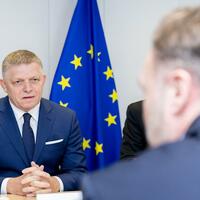
TheEuropean Unionhas said it "strongly regrets" Trump's plan to raise metals tariffs, cautioning that it "undermines ongoing efforts to reach a negotiated solution" with the United States.
The bloc added that it was ready to retaliate.
Looming deadline
The Group of Seven advanced economies Britain,Canada,France,Germany,Italy,Japanand the United States is due to hold separate talks on trade on Wednesday too.
"We need to come up with negotiated solutions as quickly as possible, because time is running out," German economy minister Katherina Reiche said Tuesday, on the sidelines of OECD talks.
French trade minister Laurent Saint-Martin added: "We have to keep our cool and always show that the introduction of these tariffs is in no one's interest."
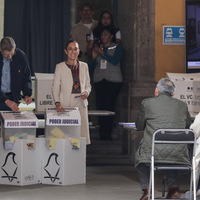
Mexicowill request an exemption from the higher tariff, Economy Minister Marcelo Ebrard said, arguing that it is unfair because the United States exports more steel to Mexico than it imports.
"It makes no sense to put a tariff on a product in which you have a surplus," Ebrard said.
Mexico is highly vulnerable to Trump's trade wars because 80 percent of its exports go to the United States, its main trading partner.
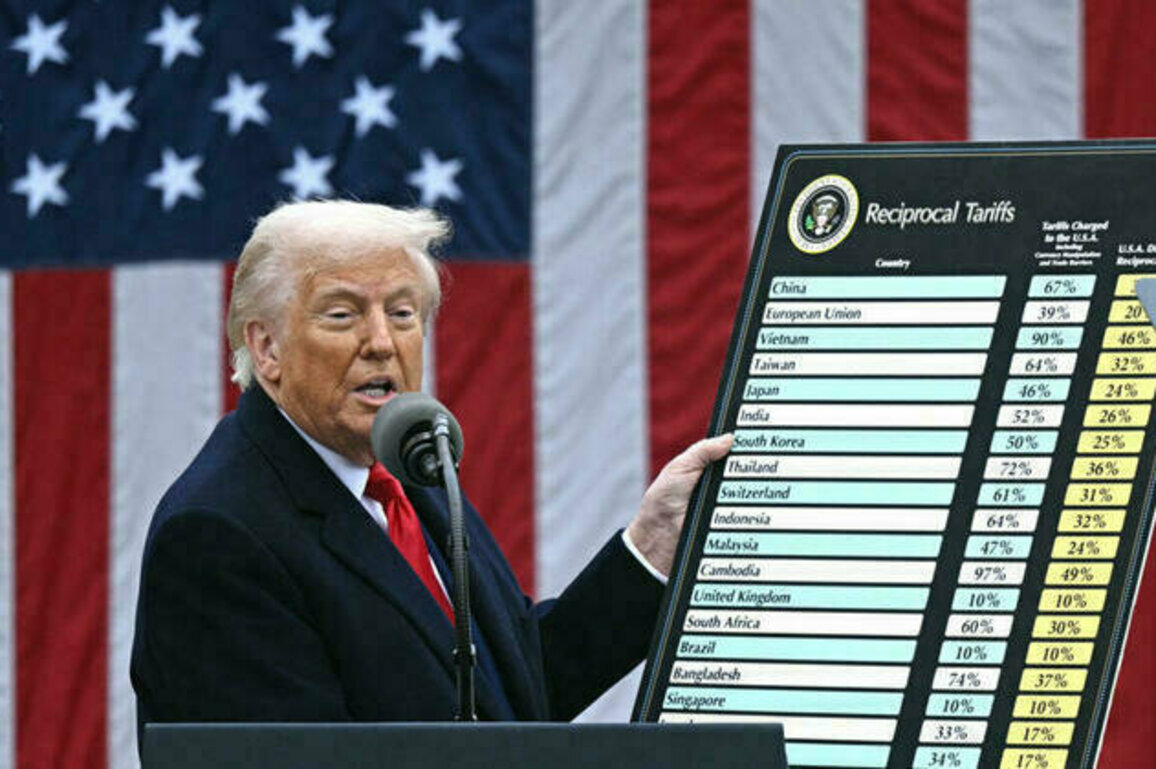
Wednesday is also when the White House would like trading partners to submit their proposals for deals that might help them avoid Trump's hefty "Liberation Day" tariffs from taking effect in five weeks.
Reuters reported on Monday that the US Trade Representative was asking countries to list their best proposals in a number of key areas, including tariff and quota offers for purchase of US industrial and agricultural products and plans to remedy any non-tariff barriers.
In turn, the letter promises answers "within days" with an indication of a "landing zone", including what tariff rates countries can be expected to be saddled with after a 90-day pause on the tariffs expires on July 8. At issue for most trading partners is whether they retain the current baseline rate of 10 percent on most exports to the US after that date, or something sharply higher in many cases.
On Tuesday, White House press secretary Karoline Leavitt confirmed the Trump administration sent letters to trading partners to push for offers by Wednesday as a deadline approached.
Besides imposing 10 percent tariffs on almost all US trading partners in early April, Trump had announced higher rates for dozens of economies including the EU and Japan as he sought to pressure countries to correct practices Washington deemed unfair.
All eyes are also on rising tensions between Washington and Beijing.
Trump has taken special aim atChinathis year, imposing additional levies of 145 percent on Chinese imports triggering Beijing's counter tariffs of 125 percent on US goods.
Both sides agreed to temporarily de-escalate in May, but Trump accused China of violating the deal.
The issue was China "slow walking the approval" of critical mineral exports and rare earth magnets, US Deputy Treasury Secretary Michael Faulkender told CNBC on Monday.
But he maintained Washington is making "good progress" overall in talks.
(FRANCE 24 with AFP and Reuters)
Originally published on France24